Picnic for Palestine
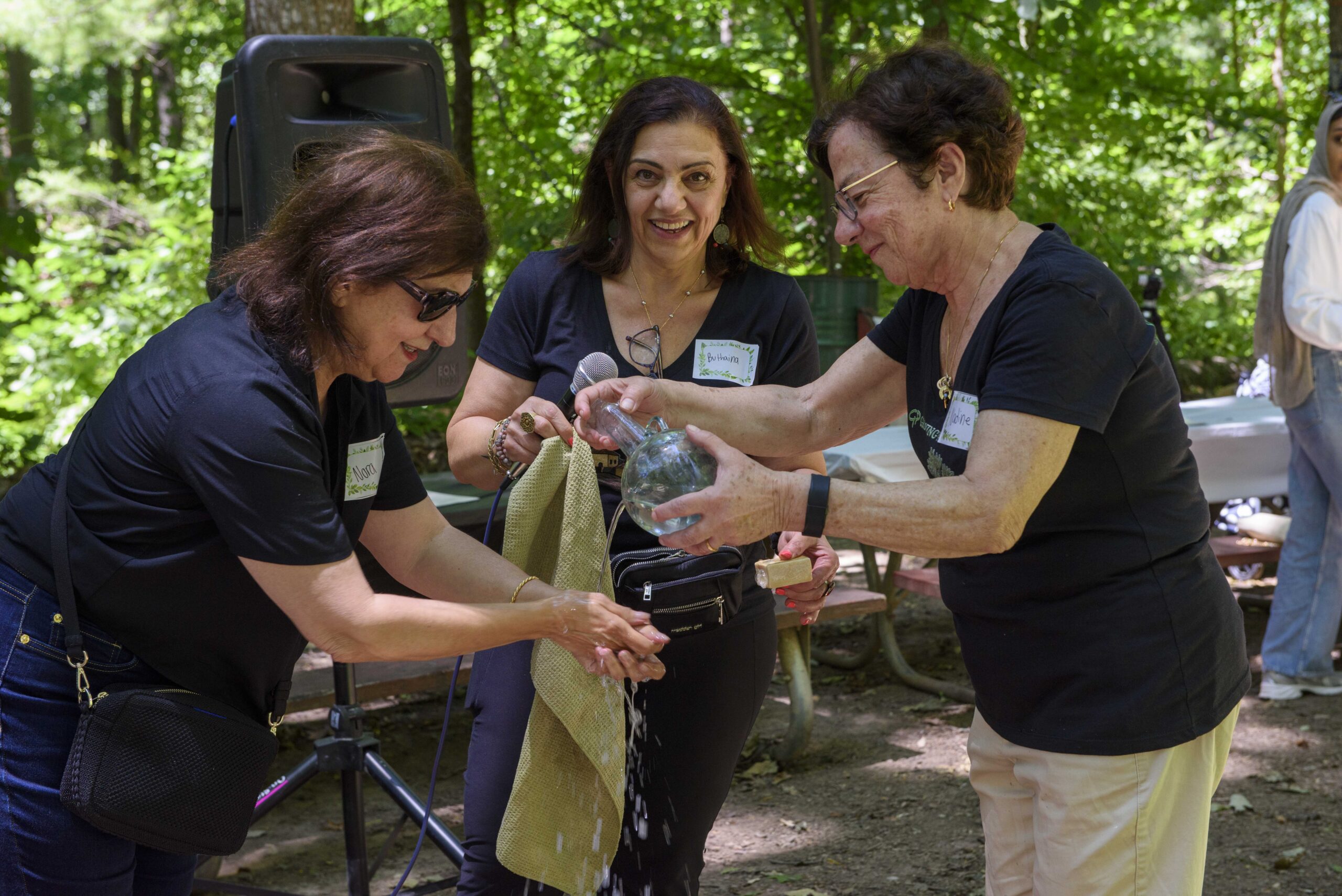
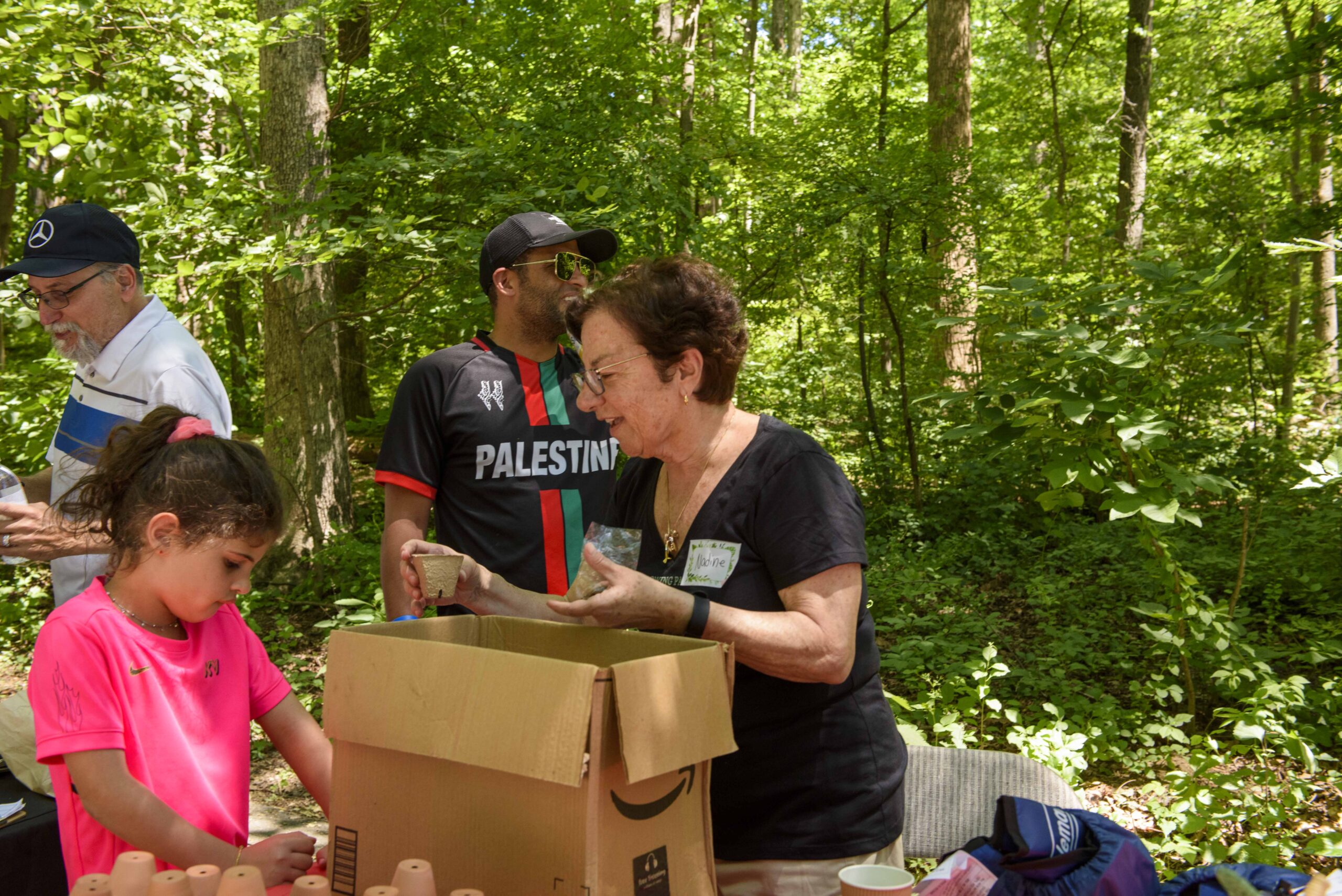
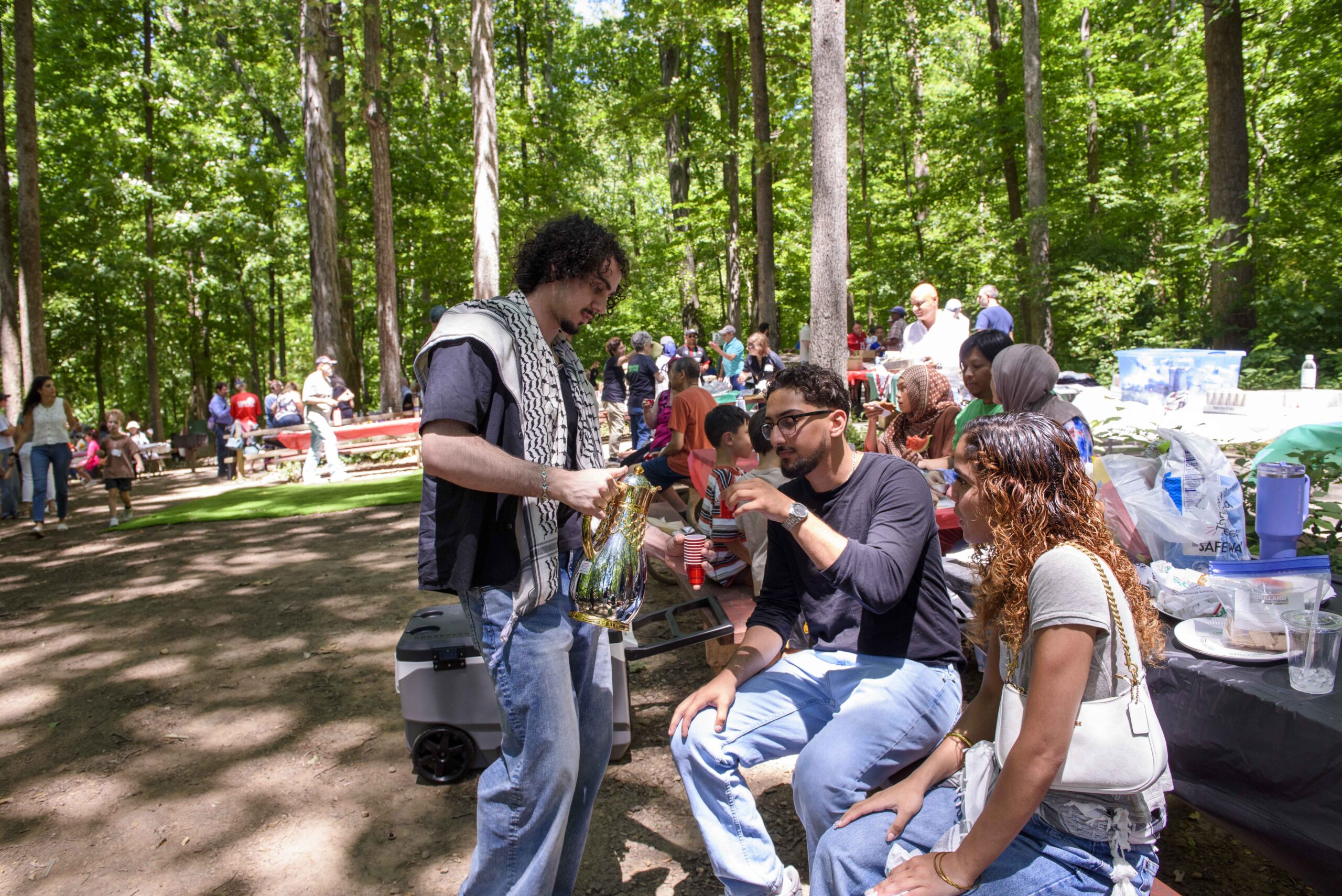
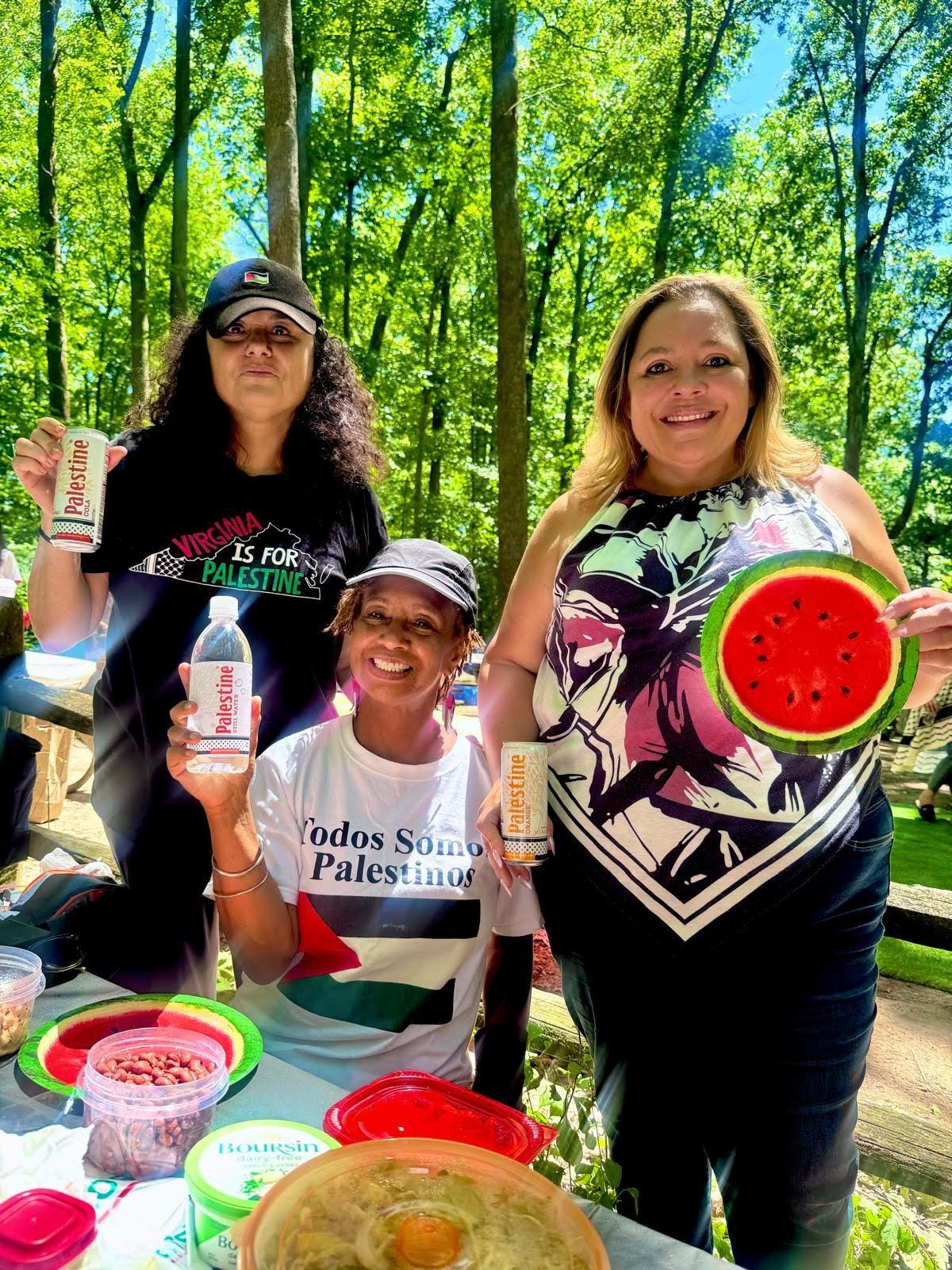
Not wanting to divert attention or donations away from Gaza, Growing Palestine had not hosted a community picnic since the genocide in Gaza began. For the past two years, however, Palestinian farmers in the West Bank have experienced an unprecedented escalation in Israeli settler violence. Faced with these urgent circumstances, we recognized the need to bring back the community picnic, to bring people together in solidarity with Palestinian farmers. And so on a beautiful June day, about 250 participants attended the picnic at Lake Accotink Park in Springfield, Virginia.
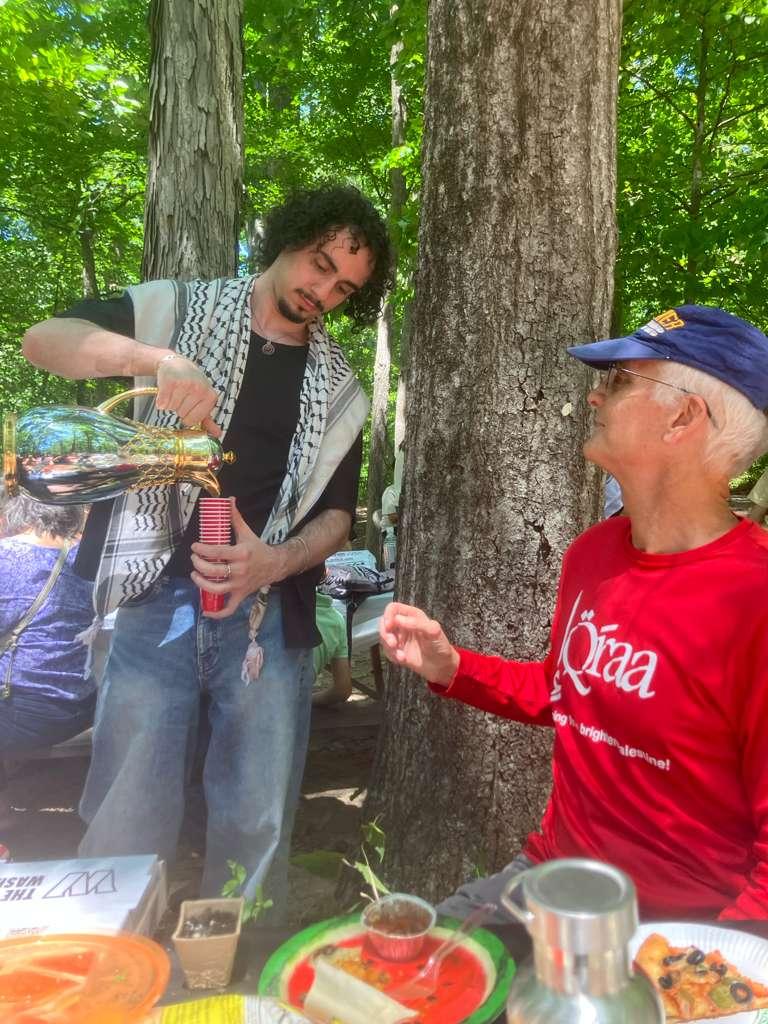
A picnic highlight was a demonstration of open fire cooking of ancestral foods. Attendees were given samples of traditional picnic food enjoyed by farming communities in years past. A fried tomato, garlic, and mint stew (qalayet bandora) was cooked on the open grill by our board members and distributed to picnickers, together with pita bread to scoop it up. Attendees brought their own lunch, but we provided sliced watermelon and Arabic coffee or mint tea. A vendor sold manaeesh and desserts; another vendor sold beautiful donated stained glass items in the colors of the Palestinian flag made by retired pediatrician Yaser Freij. In a nod to ancestral heritage, attendees who wanted to commemorate the occasion could go to Kan ya makan, the photo “booth” that was set up in a section of the venue, and dress up in traditional clothes for a photo. Laila El-Haddad (coauthor of the acclaimed cookbook Gaza Kitchen) graciously offered to cook a three-course meal and provide its culinary and cultural history, a package that was auctioned for $300.
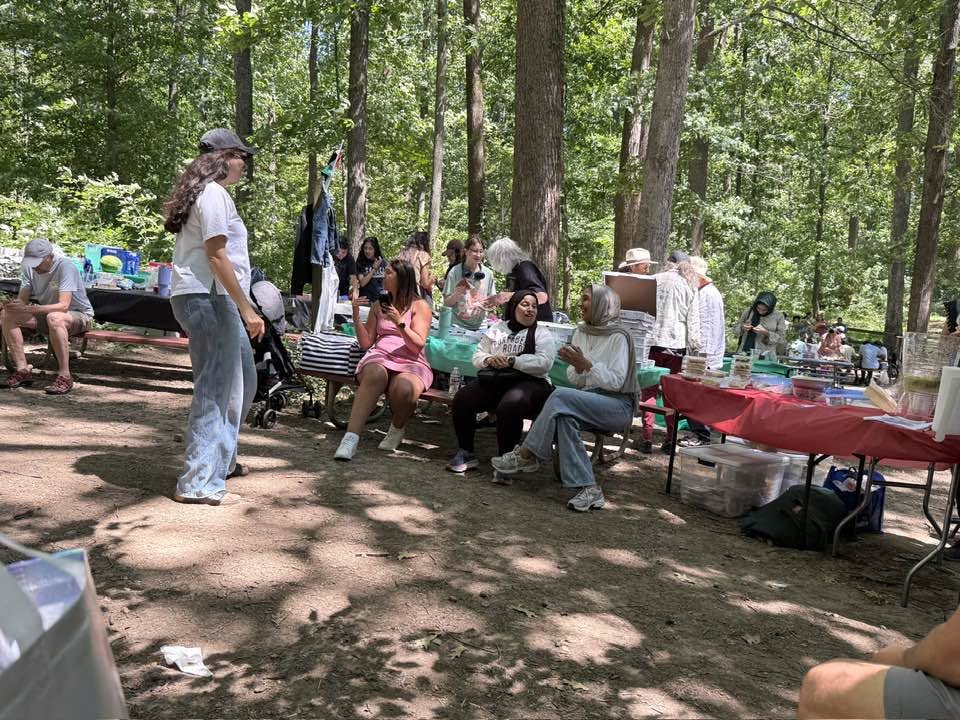
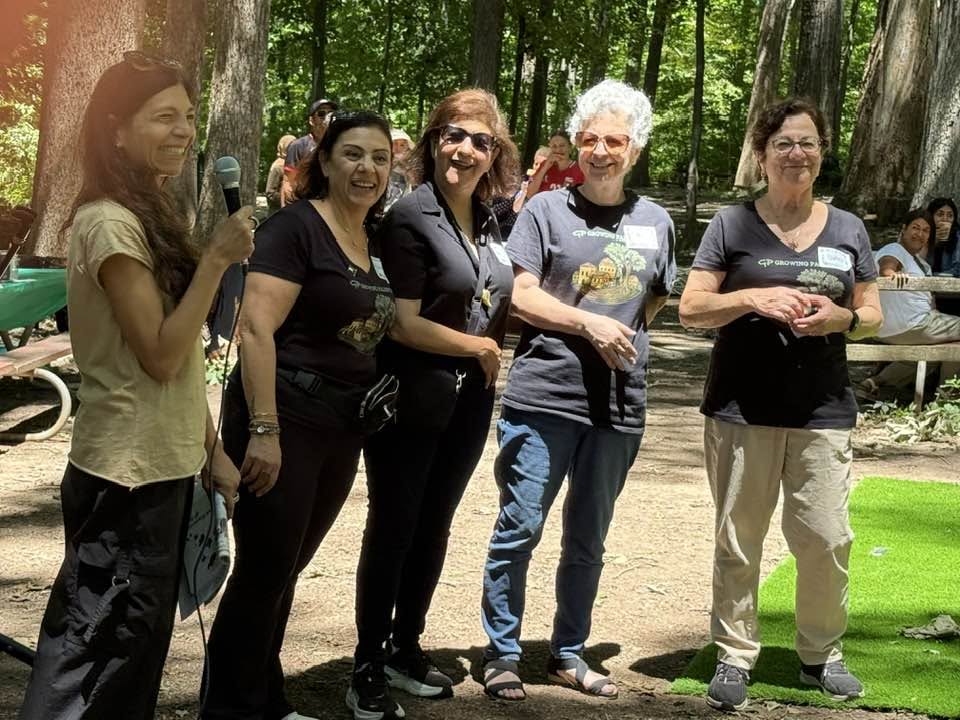
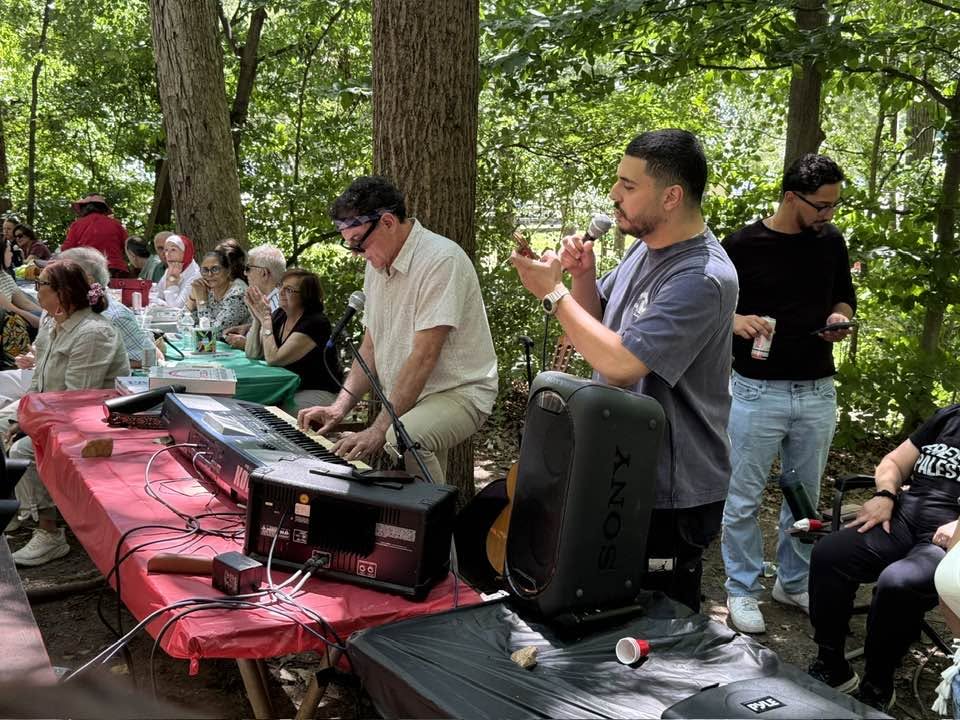
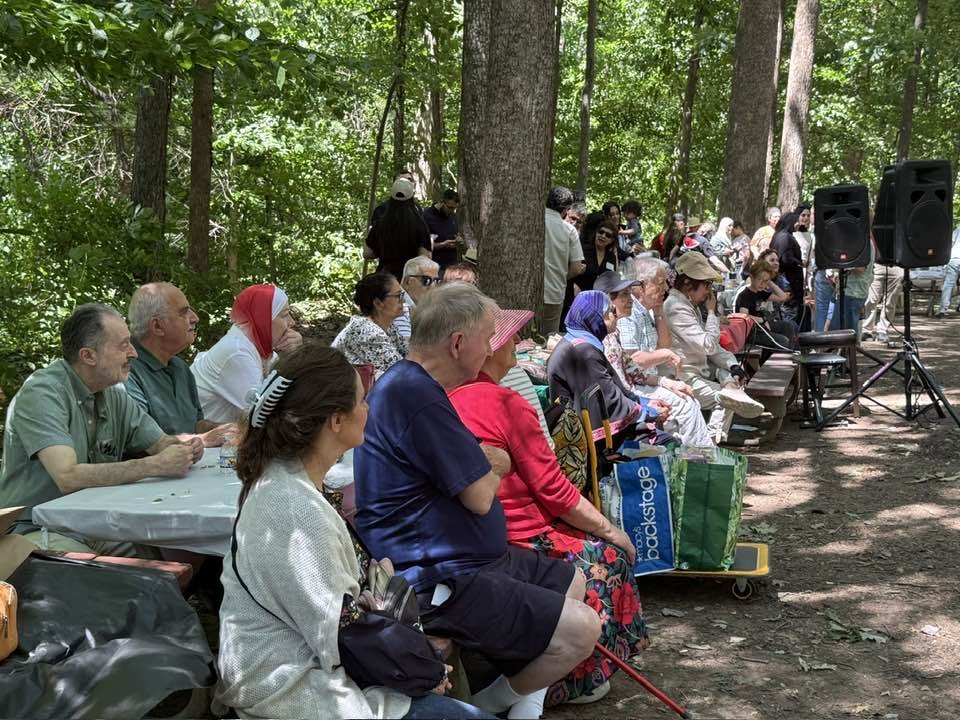
Credit: Martin Karcher
The program called attention to the historic relevance of the iconic almond tree. This symbol of perseverance, resilience, and fertility is almost extinct in Palestine today. One of the most steadfast of Palestinian trees, the almond carries significant weight in Palestinian cultural heritage and is often featured in literature and song. A poem by
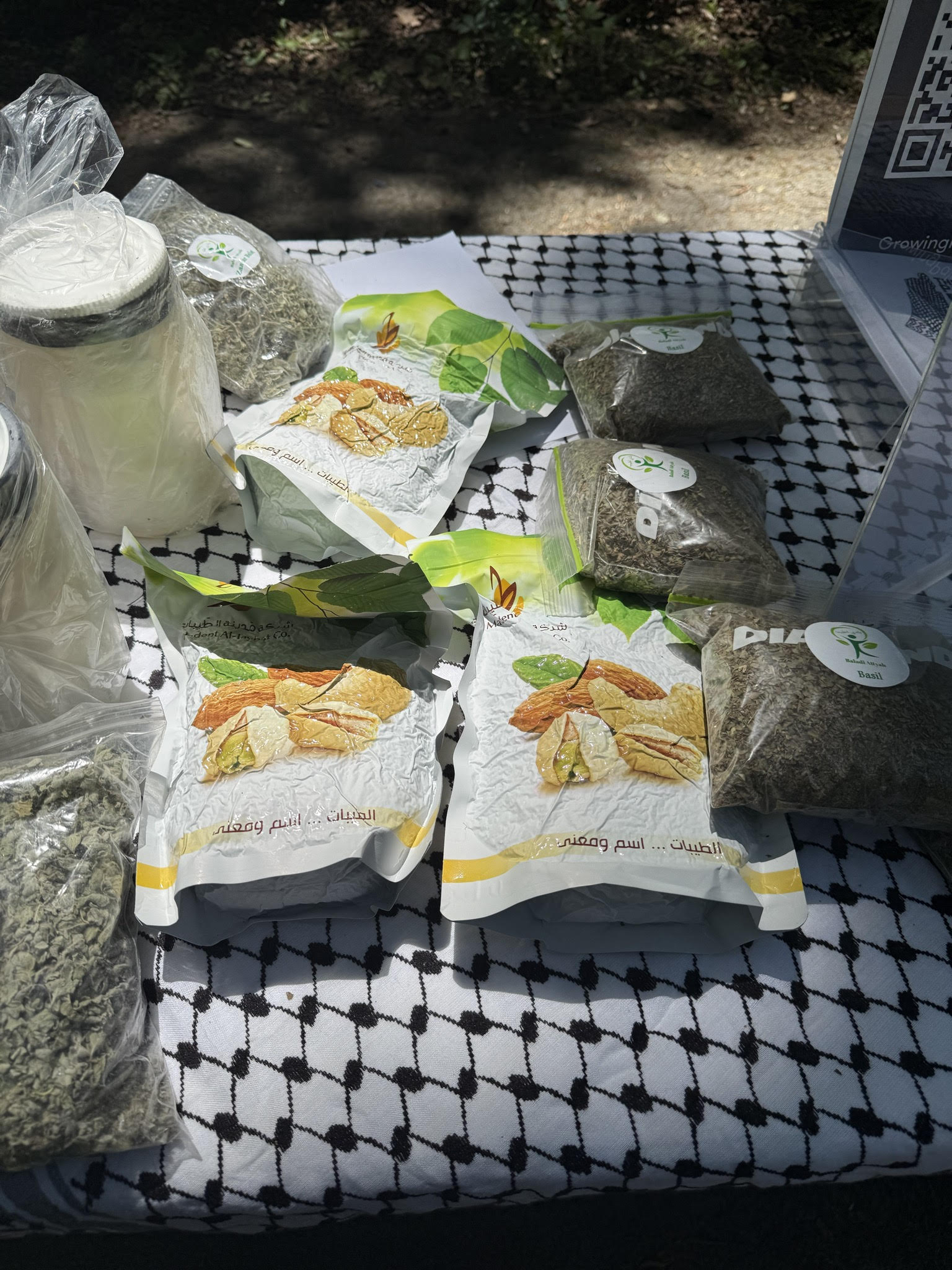
Mahmoud Darwish, which gives pride of place to the almond tree, was read at the picnic. Roasted almonds are fondly remembered by nostalgic Palestinians who have spent many years far from home; we roasted a supply and distributed them at the picnic in small baggies that carried with them a whiff of home. A handout on each picnic bench gave interesting (and perhaps not widely known) facts about the role of almonds in Palestinian culture.
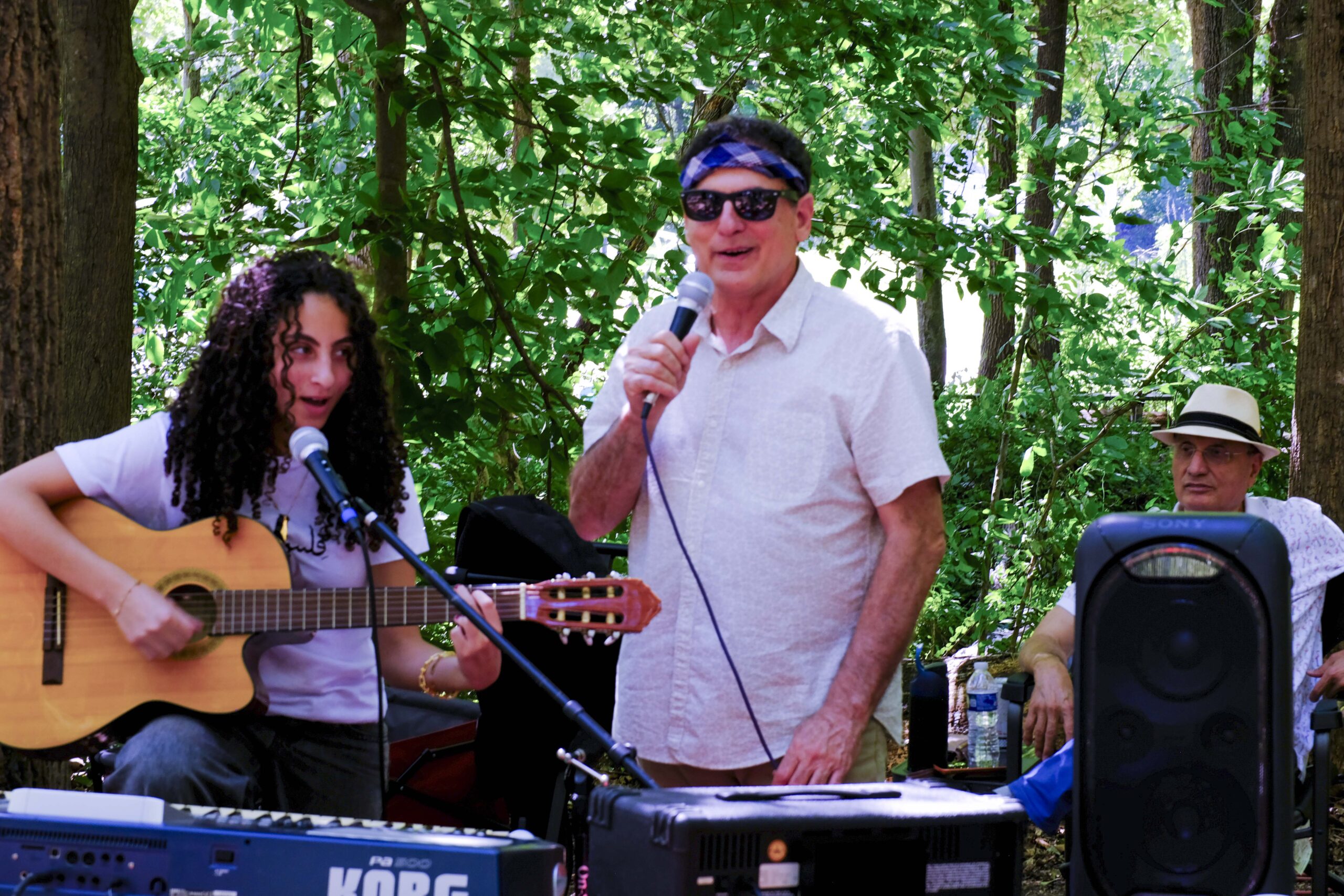
Music was introduced through a sing-a-long of traditionally loved Palestinian songs, followed by an energized age-old dahiyya. The crowd danced the debka to the beat of music whose lyrics contained messages of resistance, steadfastness, and love of the land.
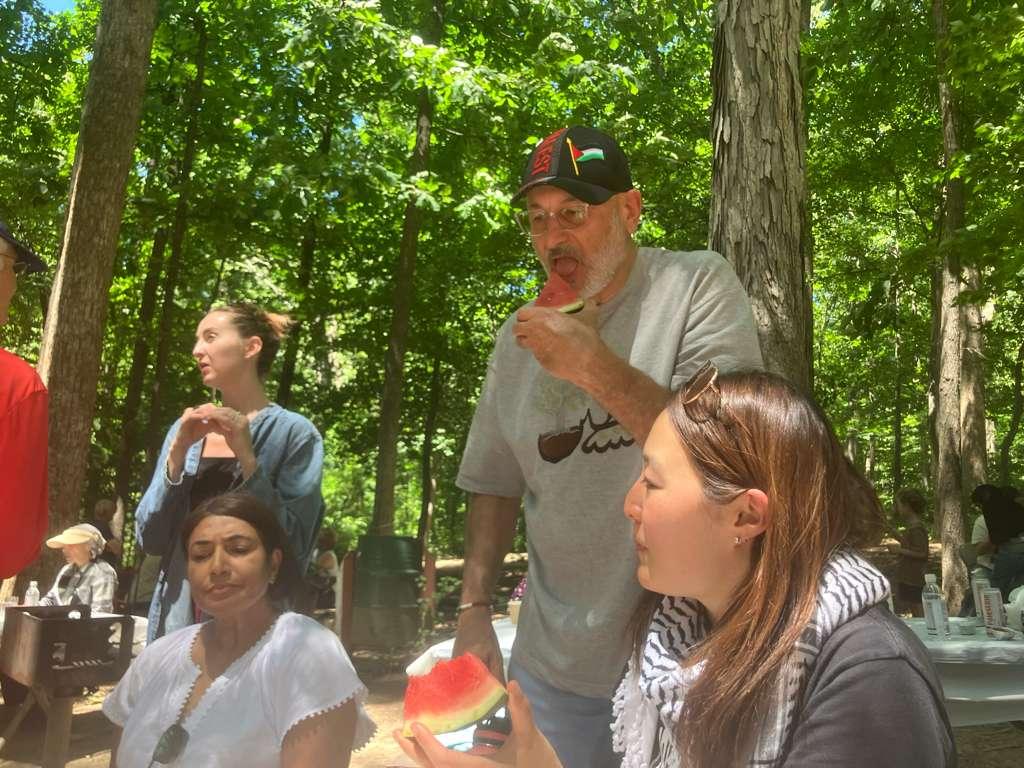
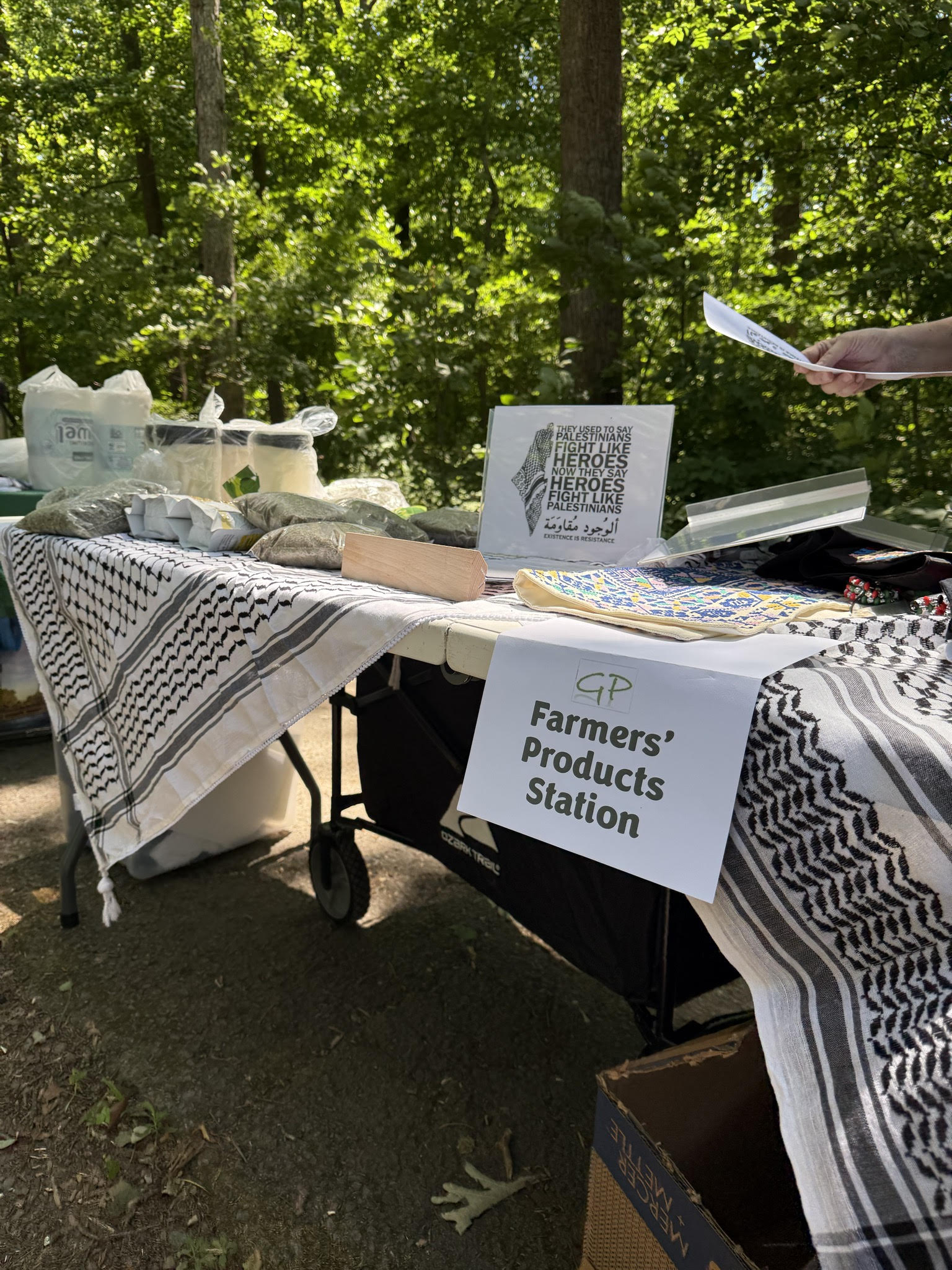
Credit: Courtesy of Growing Palestine
The successful event raised money for the farmers while providing an afternoon of community and ancestral knowledge.
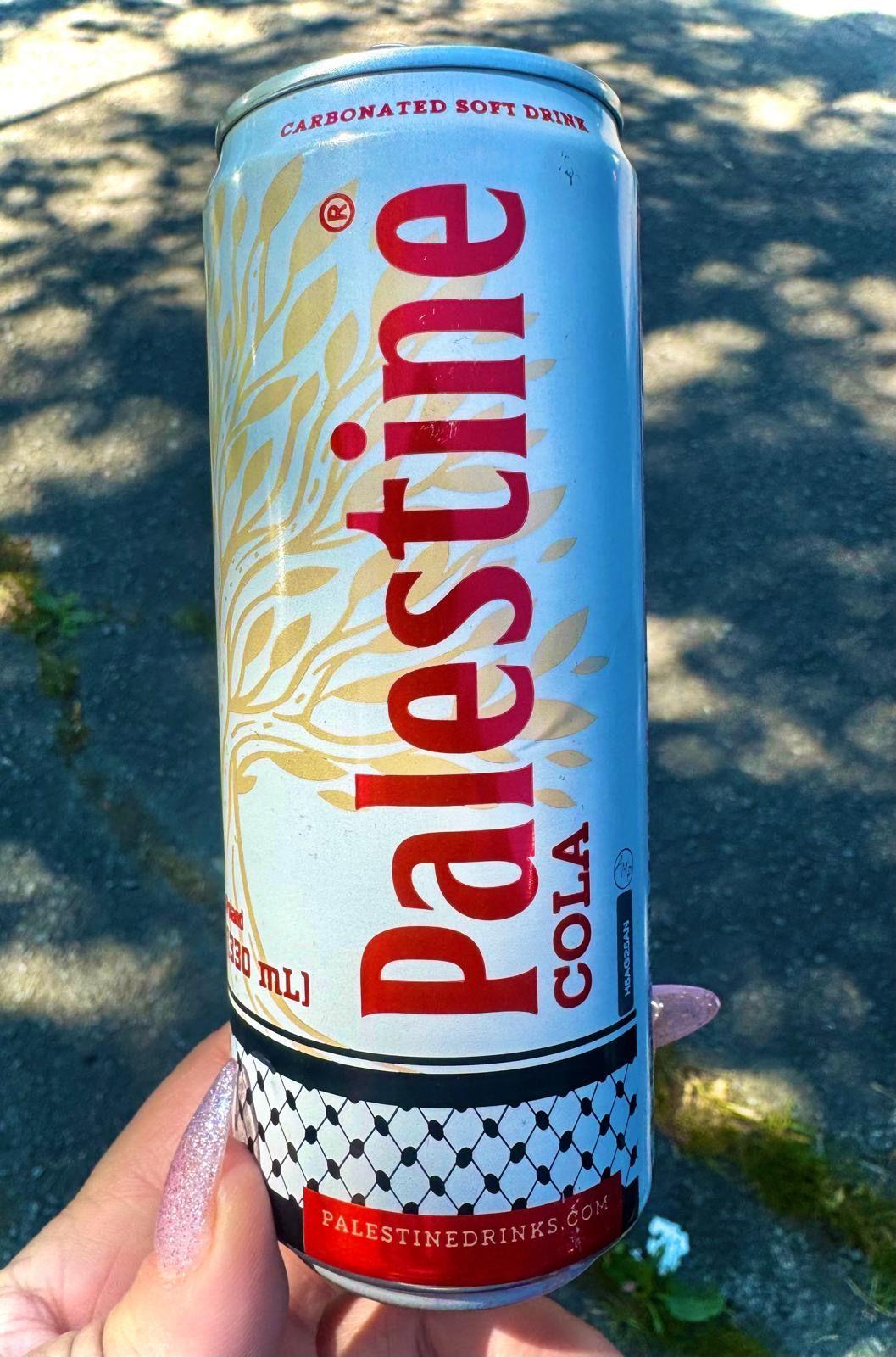
We leave you with some photos that give a sample of the afternoon—if you attended the picnic, they will bring back fond memories, and if you didn’t, you’ll conclude that you really should attend the next Growing Palestine event!
If you would like to see photos taken at the Kan ya makan “booth,” please write to us at info@growingpalestine.com, and a link to the photographer’s site will be sent to you.